
 Back
Back


Park of culture and leisure Dubki

Sestroretsk, Dubkovskoe shosse, 42
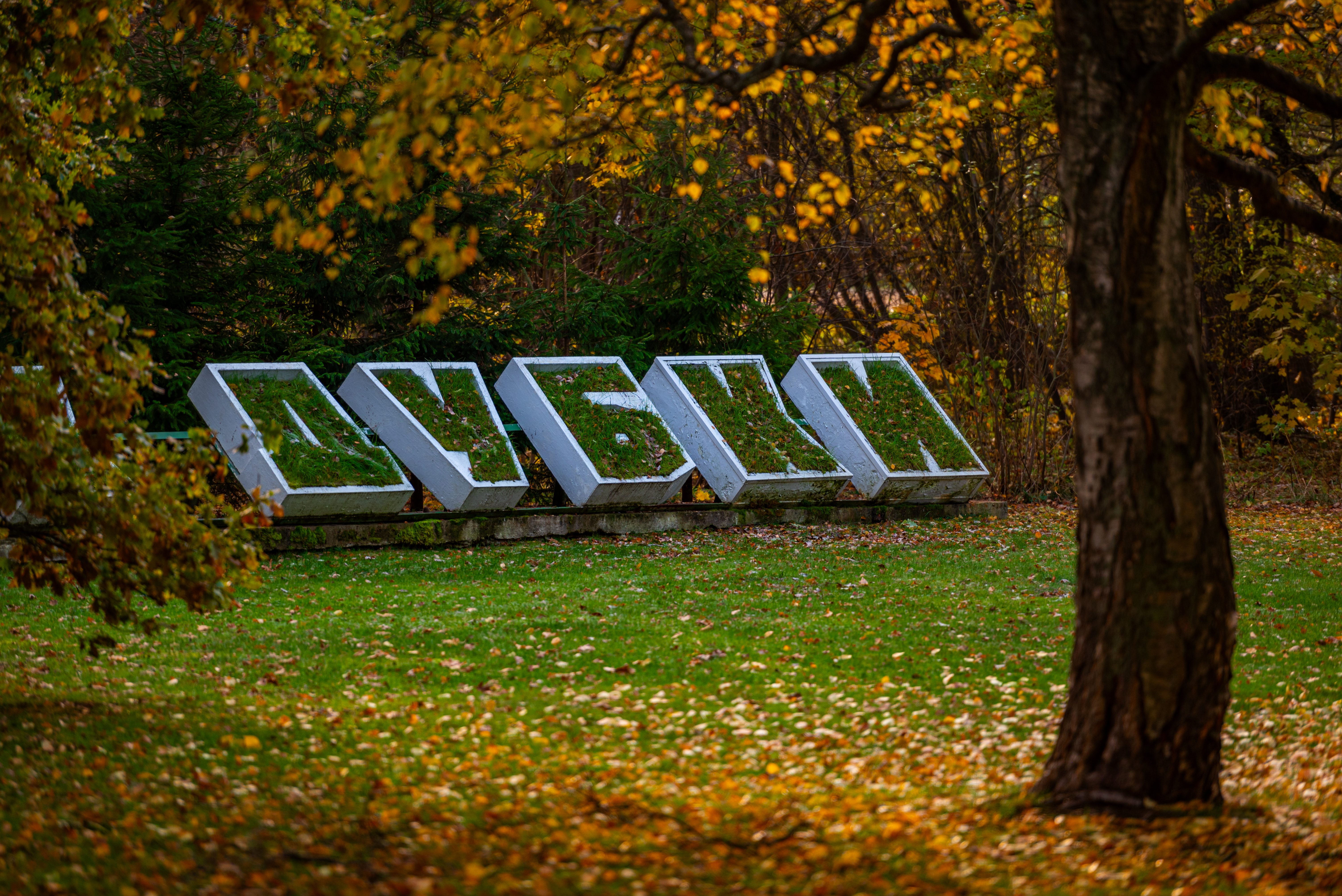
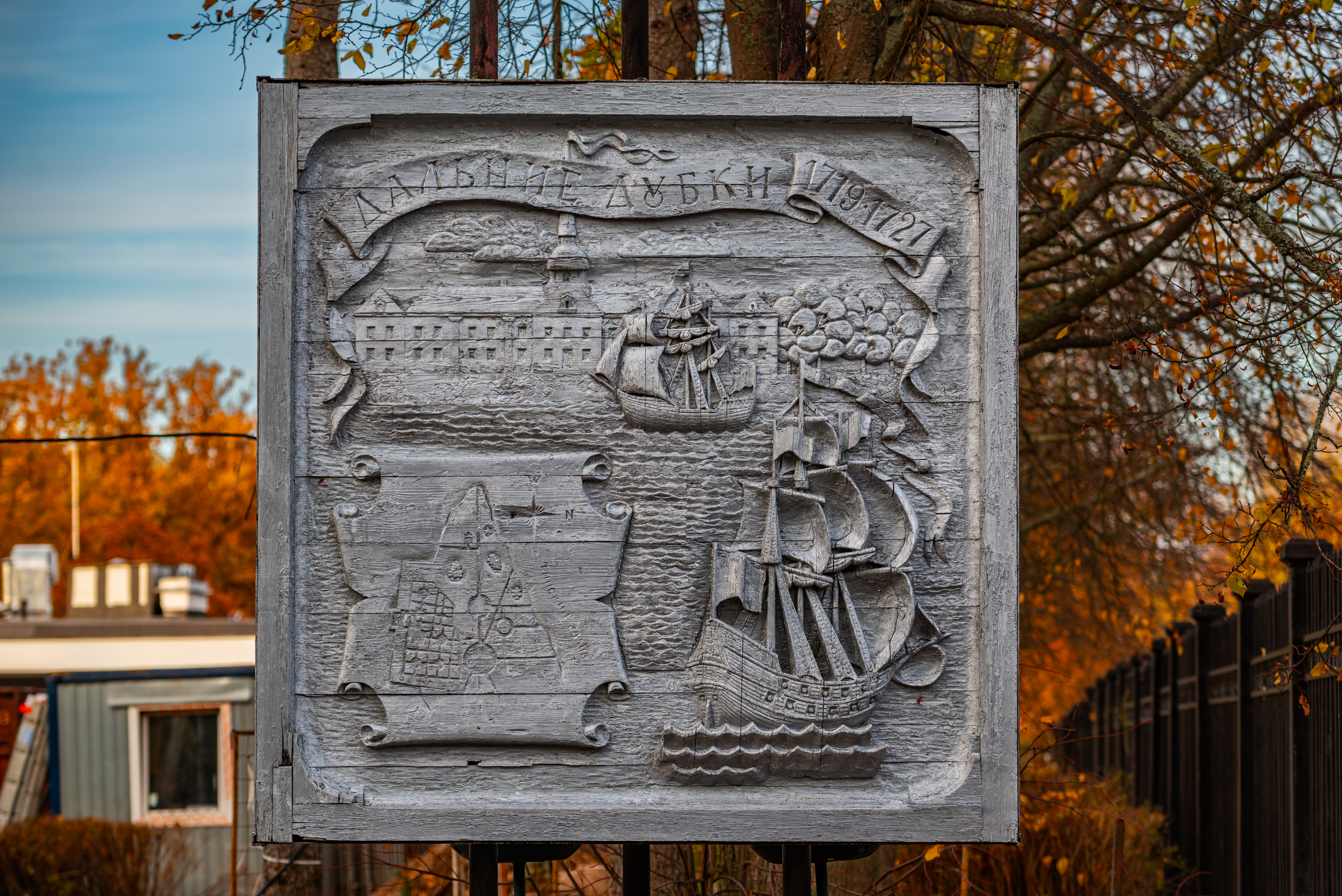
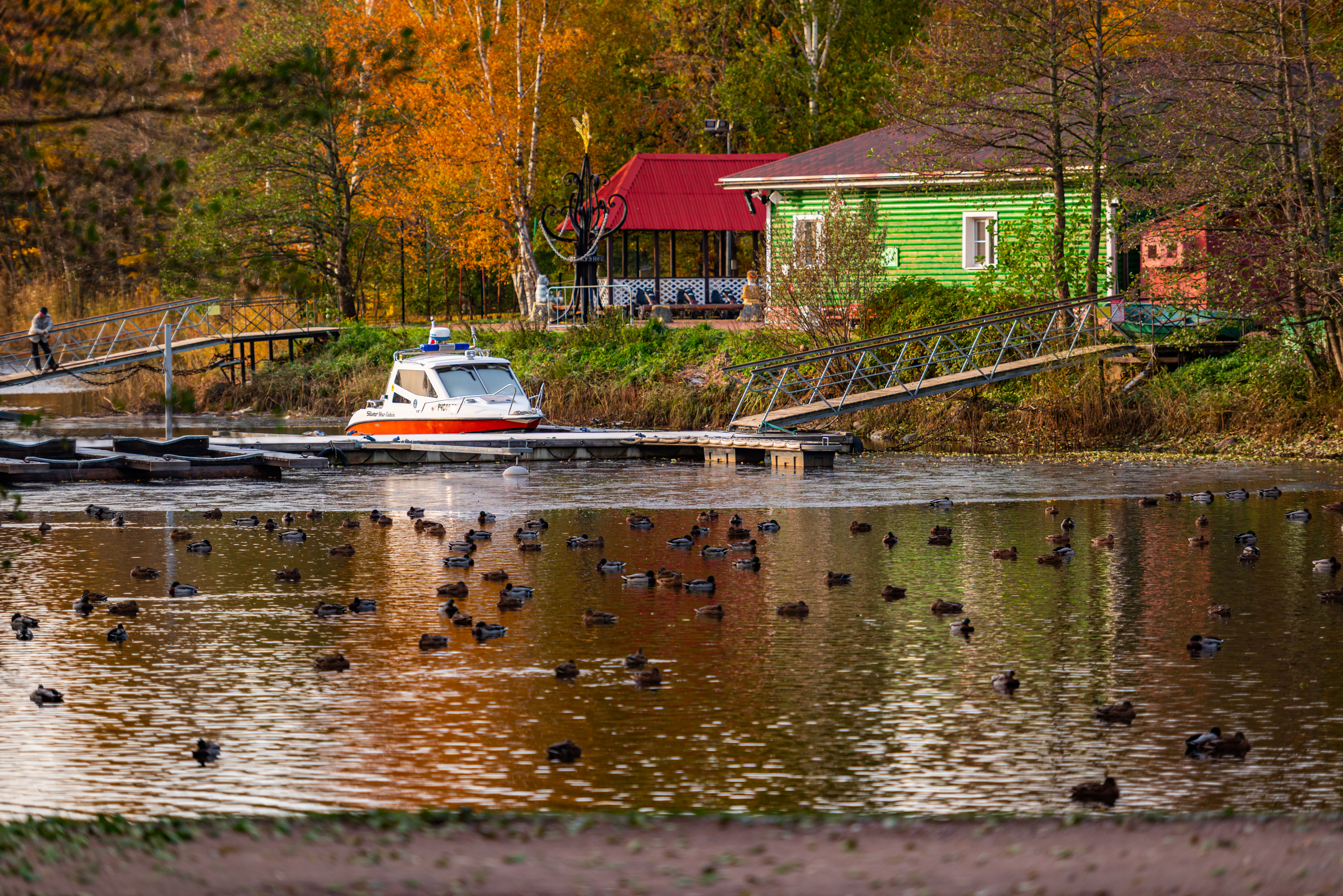
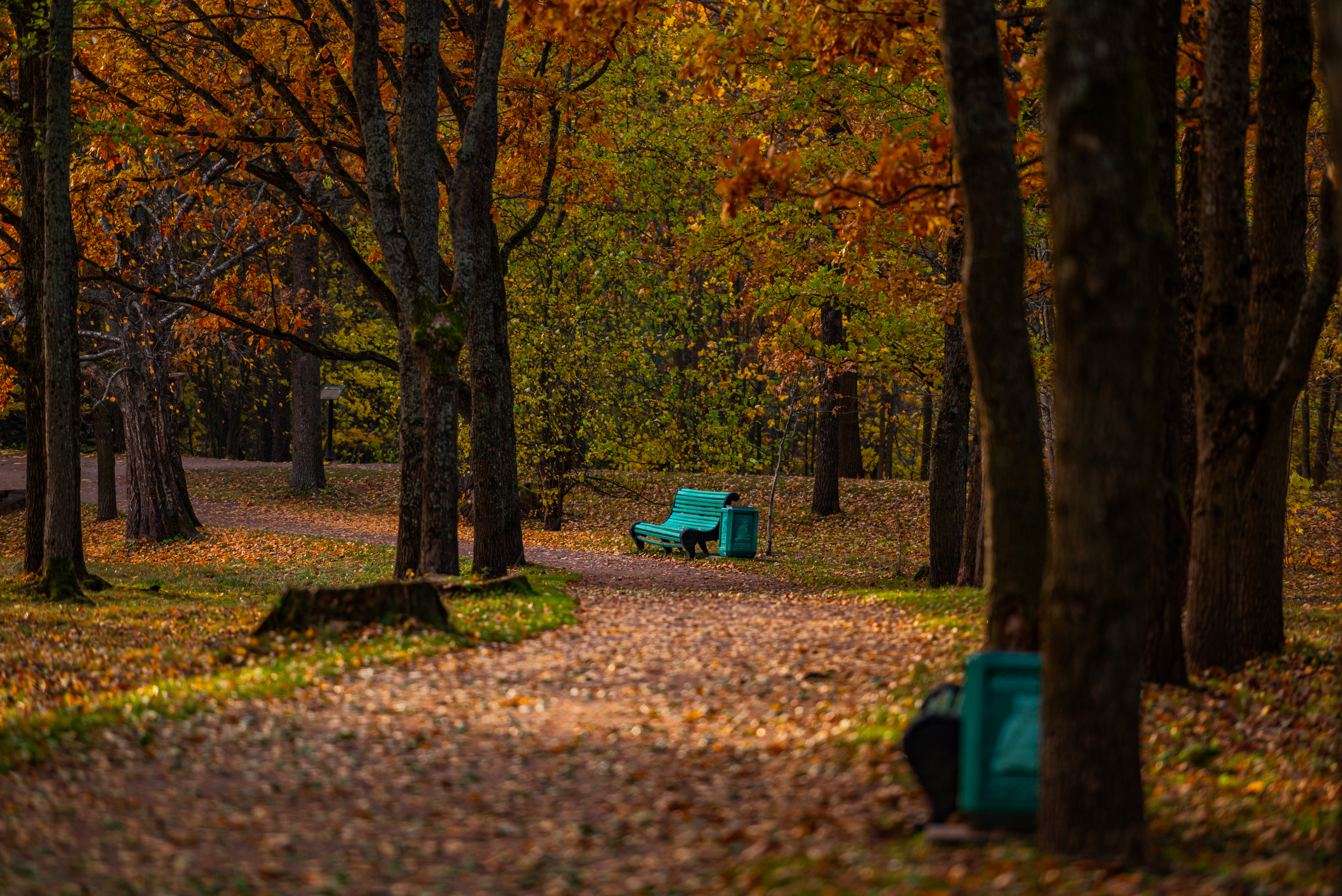
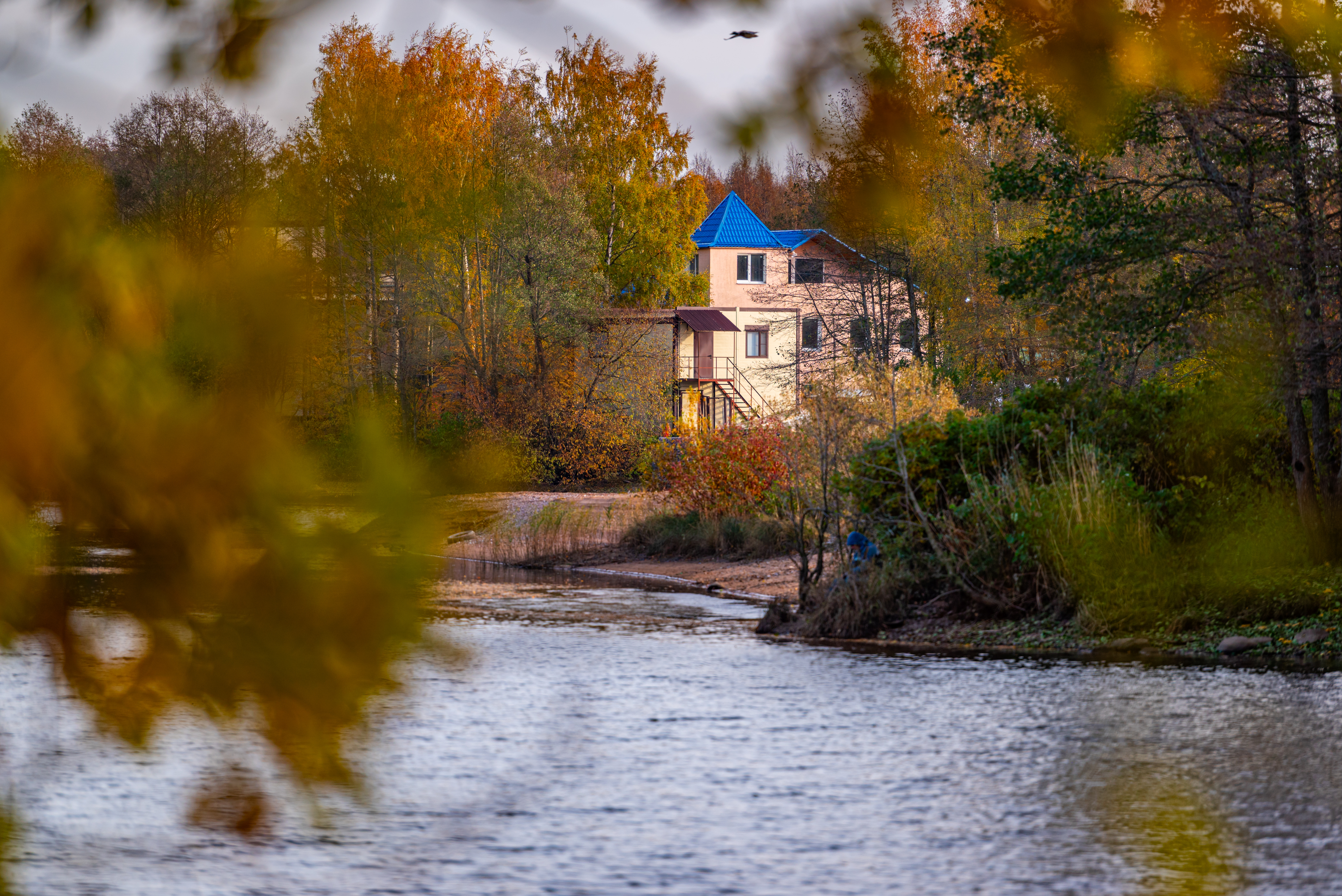
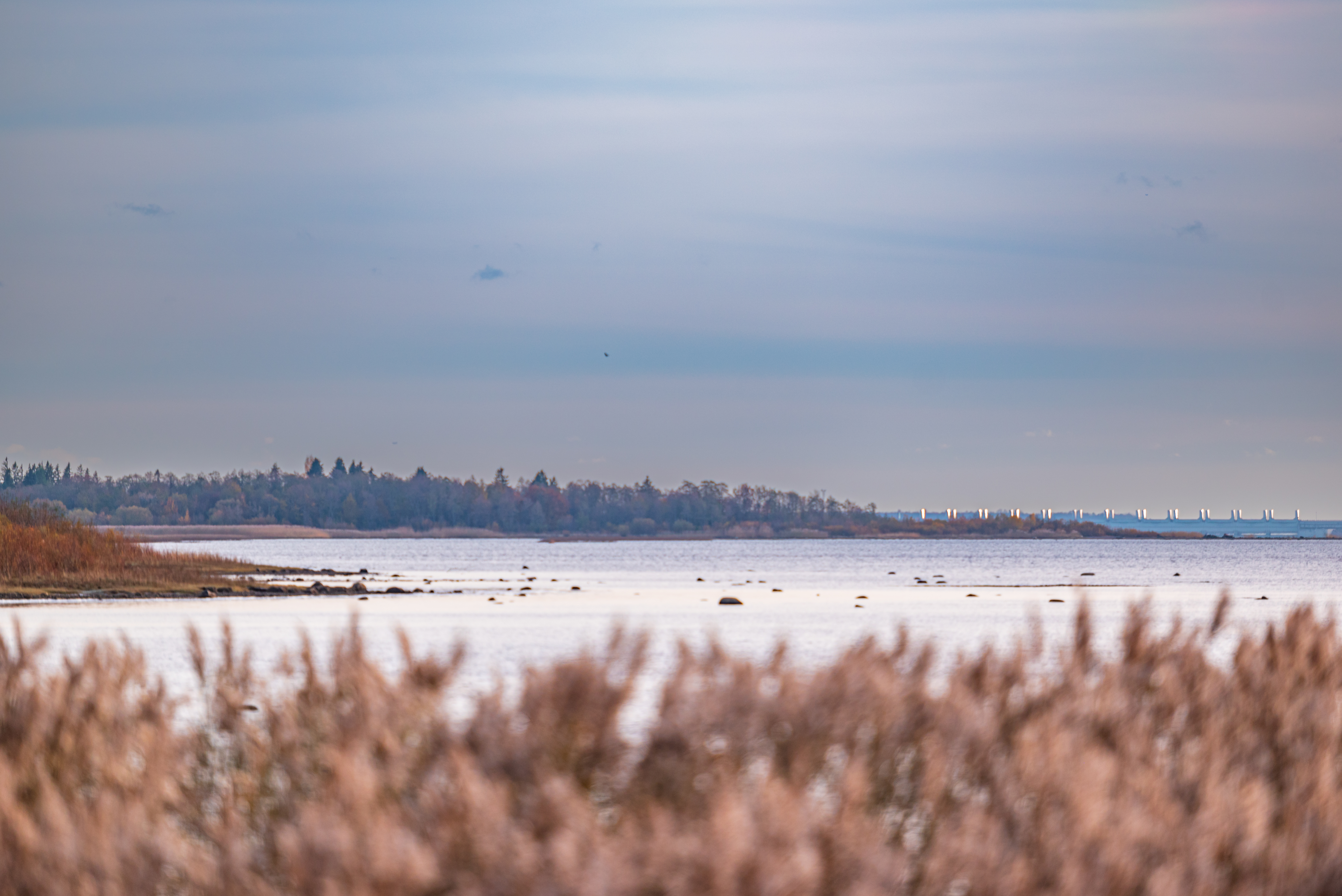
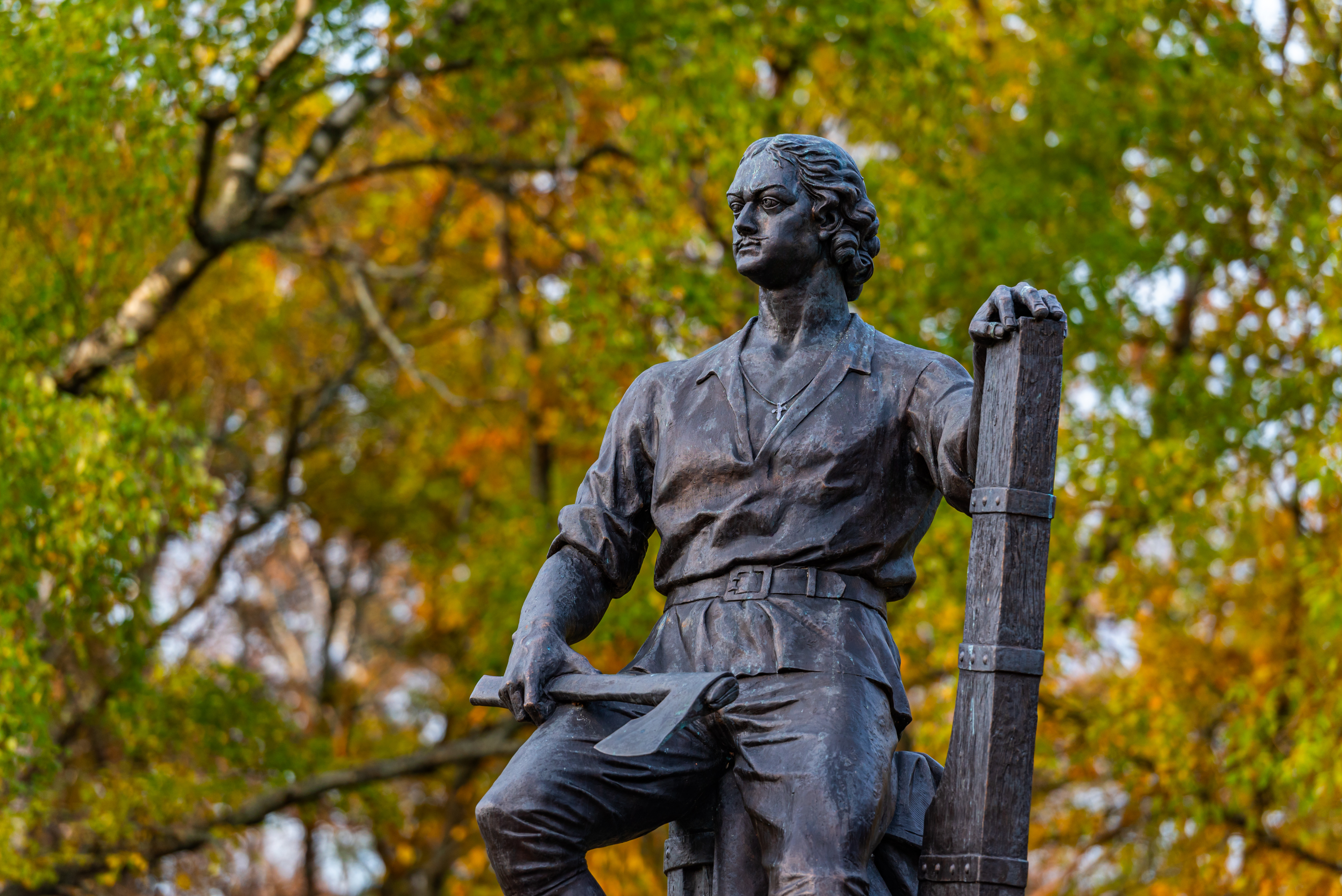
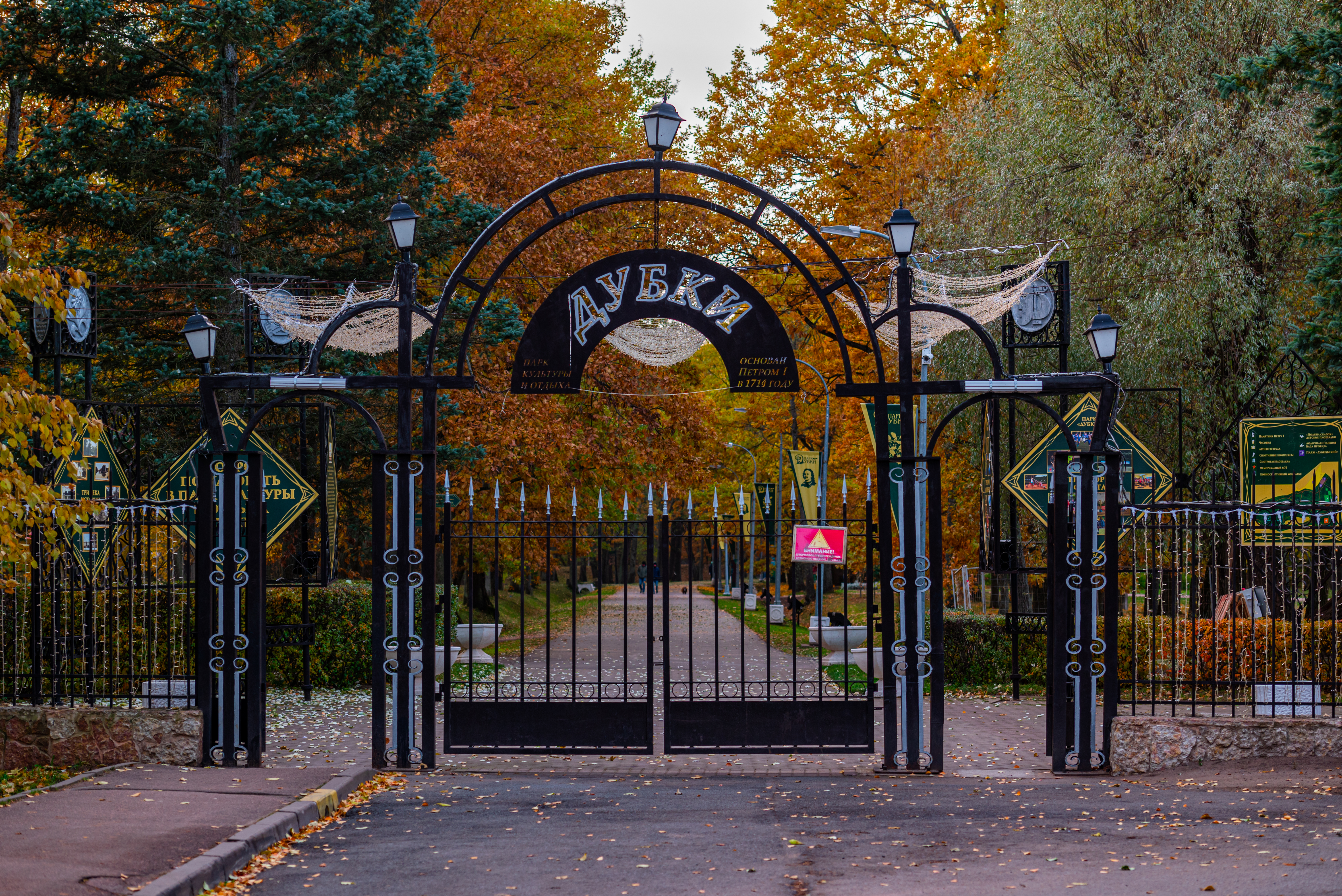
Returning to St. Petersburg with the victory in the Battle of Gangut in 1714, the flotilla of Peter the Great sailed along the coast of the Gulf of Finland, admiring the beautiful oak grove, the emperor ordered to disembark. Peter I loved the grove so much that in 1717 he ordered to bring here soil and plant several thousand young oak trees, which were subsequently planned to be used in the construction of ships. 2000 trees were planted, 200 of which were planted by Peter I himself. At the same time, the sovereign ordered to build a private country residence, a protective dam and to lay out gardens with fruit trees, as well as to dig artificial ponds. In his new luxurious country residence in these parts, the emperor loved to relax during his military campaigns and just travels. The emperor visited the residence for the last time on November 2, 1724. Thus, the romantic story from the youth of the head of the Russian state was historically connected with the place associated with the last years of his reign. It was here, in the Dubki Park, that the sovereign rested and, looking at the waves of the bay, mentally rejoiced at Russia's naval triumph.
Peter II excluded the Dubki Palace from the list of sovereign residences after the capital was moved to Moscow and the severe flood and storm that occurred in these parts in 1727. The park and the palace building were seriously damaged. All valuables were taken out of the building, and the building itself turned into an ordinary warehouse of the Sestroretsk arms factory. In 1782, the palace disappeared completely.
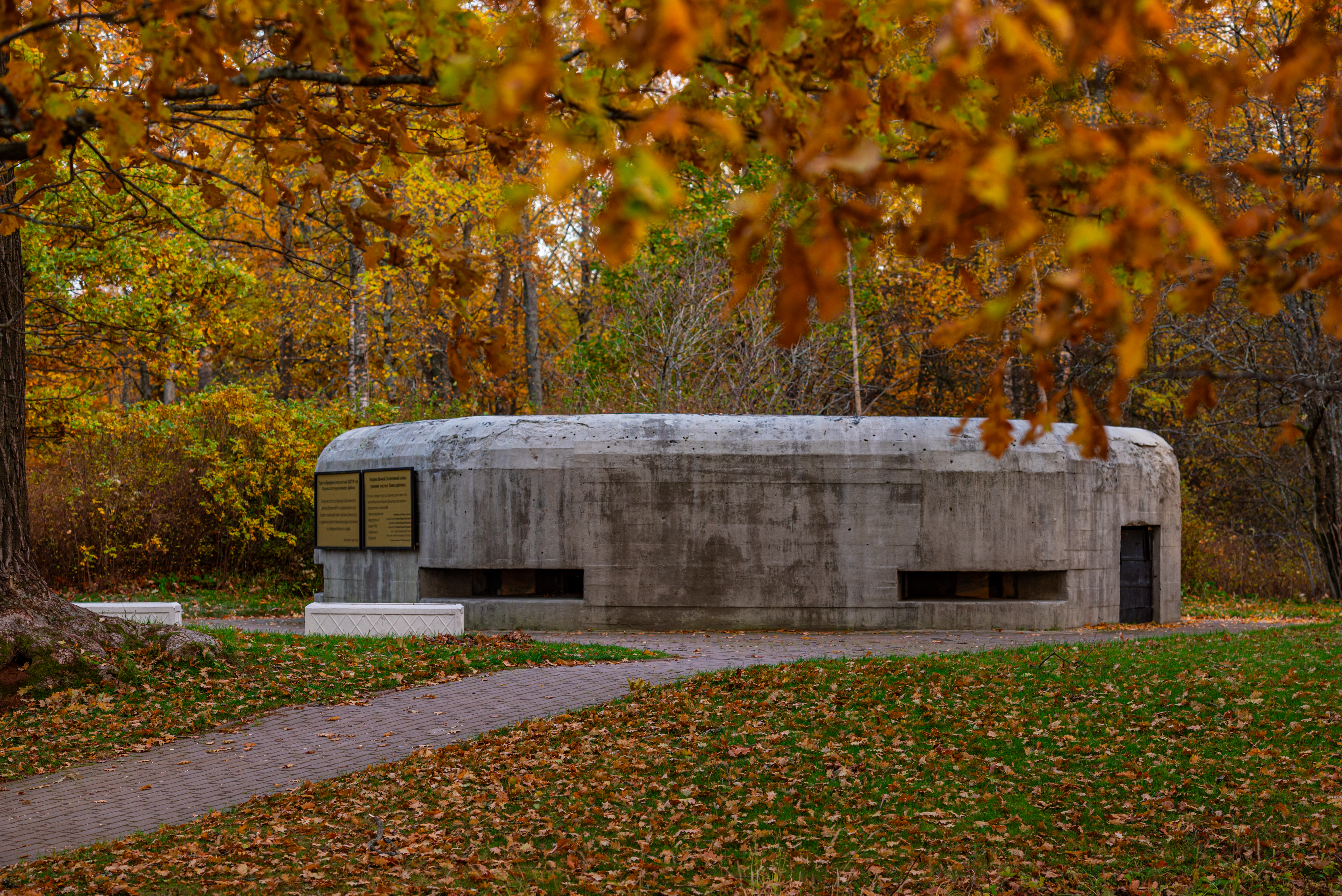
The first defensive ramparts and fortifications appeared in 1741-1743 under the threat of a Swedish attack. Fortifications were then added to protect against the troops of the Swedish King Gustav III in 1788, but they were only needed during the Crimean War almost a century later, in 1855. The Anglo-French fleet shelled Sestroretsk, but the British and French were afraid to land troops. In honor of those events and the only Russian officer killed in the shelling in 1858, a small cozy chapel appeared in the park. However, it was destroyed under Soviet rule after 1920.
A large-scale reconstruction of Dubki Park took place in 1948-1950. After restoration, the park became the center of cultural and sports life of the city - it remains so to this day.
Currently, Dubki Park is the central park of the city of Sestroretsk, a monument of landscape architecture of the 18th century, a UNESCO cultural heritage site and a wonderful place for leisure, sports and recreation for all categories of visitors.
