
 Back
Back

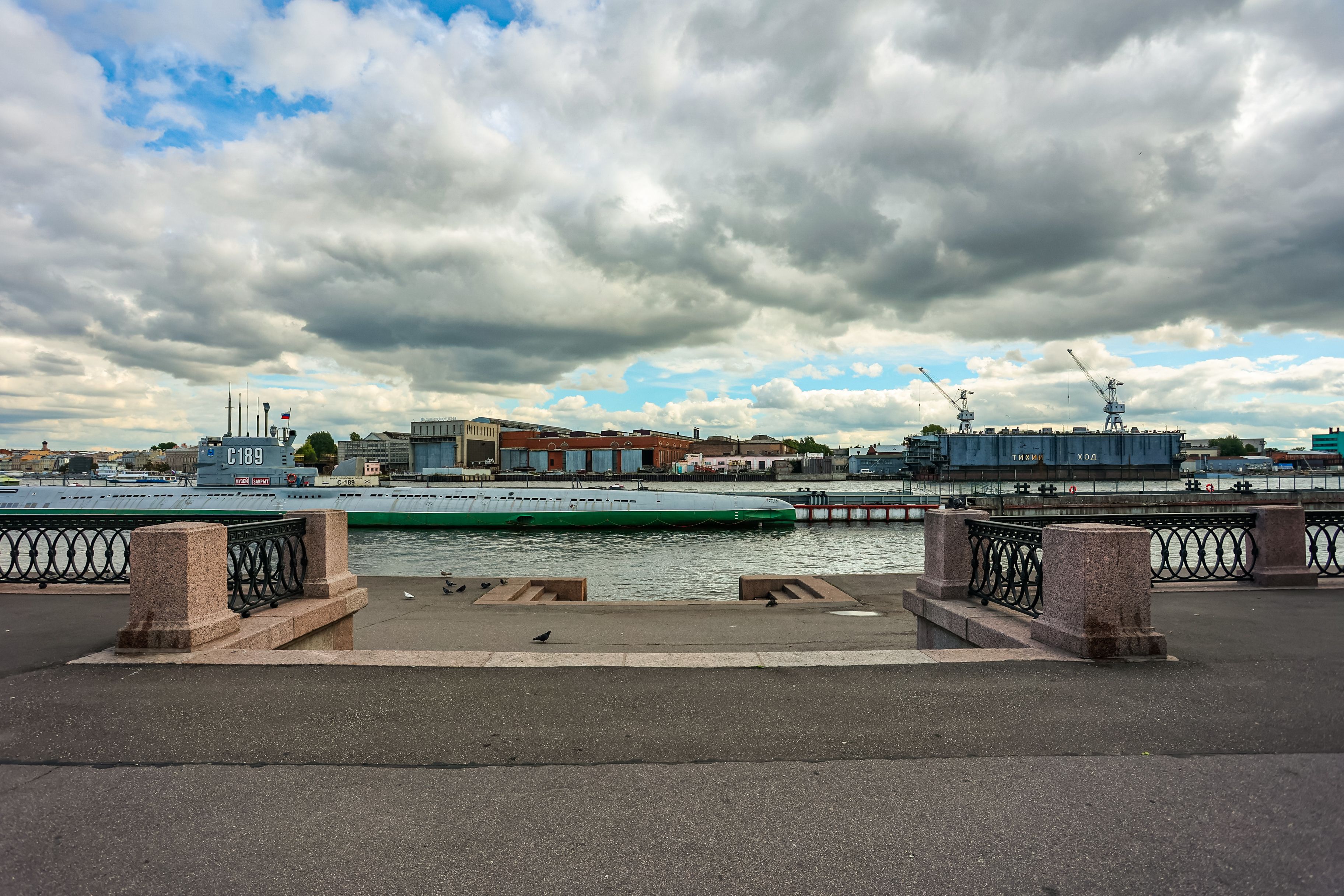
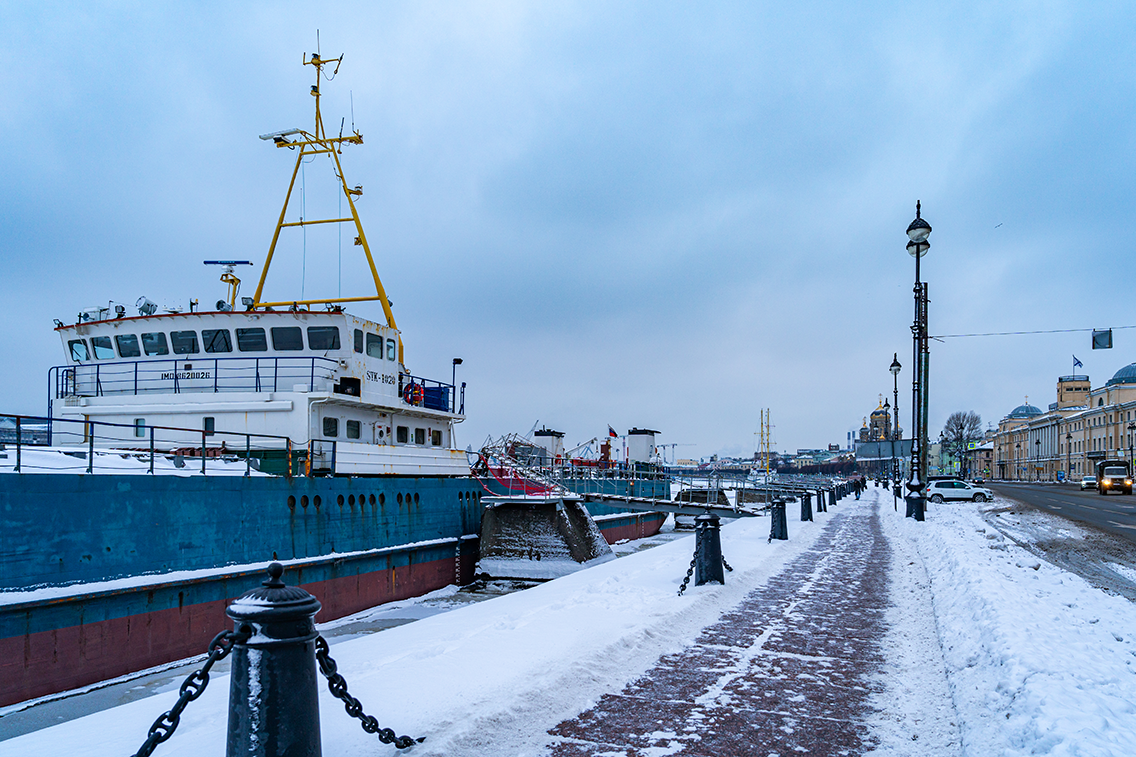
Lieutenant Smidt embankment

Leitenanta Schmidta nab.

 Listen
  Download
The first buildings on this embankment appeared at the beginning of the XVIII century.
For a long time, the University Embankment and the Lieutenant Schmidt Embankment were called the Bolshaya Neva Embankment and had a single numbering of houses. Only in 1887 did the section from the 7th to the 23rd line of Vasilievsky Island receive the status of an independent embankment, which was named Nikolaevskaya in honor of the bridge where it began. For about 30 years, the embankment and bridge bore the name of the Russian Emperor Nicholas I, and in 1918 they were renamed in memory of one of the leaders of the Sevastopol Uprising of 1905, P. Schmidt.
The central part of the panorama of the Lieutenant Schmidt Embankment is occupied by the five-domed Church of the Assumption of the Blessed Virgin Mary, built according to the design of engineer V. Kosyakov at the end of the XIX century. Previously, this place housed the courtyard of the Pskov-Pechersky Assumption Monastery.
The architectural ensemble of the embankment is completed by the twelve-column portico of the Mining Institute, decorated with sculptures made by S. Pimenov and V. Demut-Malinovsky. The facade of the Mining Institute, designed by the architect A. Voronikhin, resembles an ancient temple. This impression is enhanced by the fact that the motifs of ancient Greek mythology were used in the design of the building. The sculptures decorating the building are called "The Abduction of Proserpina" and "Hercules Strangling Antaeus". They allegorically indicate the purpose of the building: the use of underground wealth to strengthen the economic and military power of the state.
