
 Back
Back
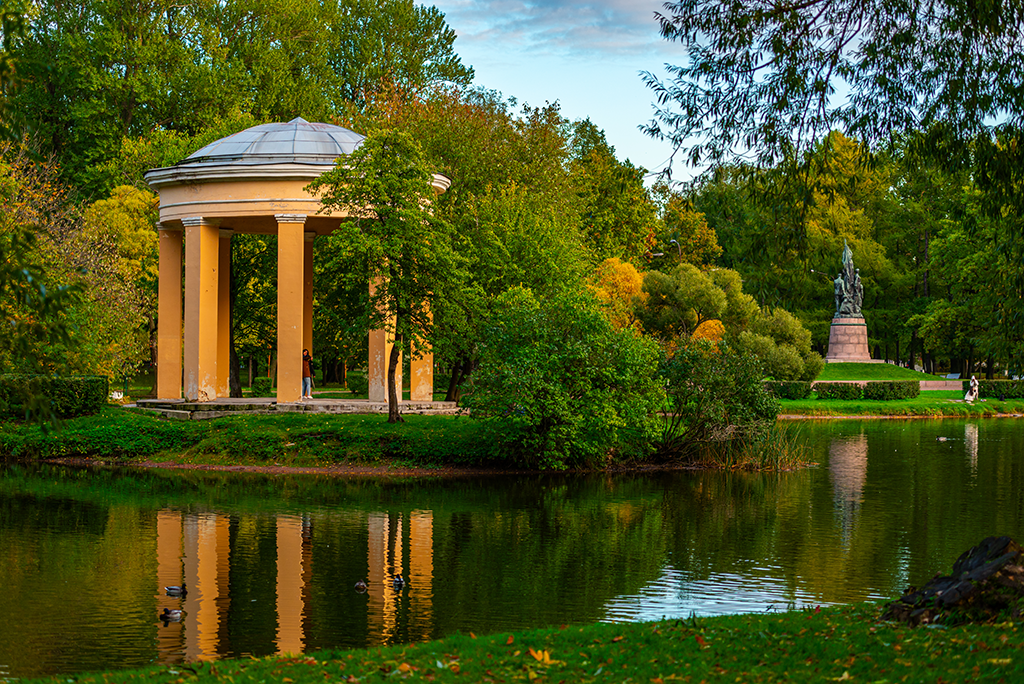
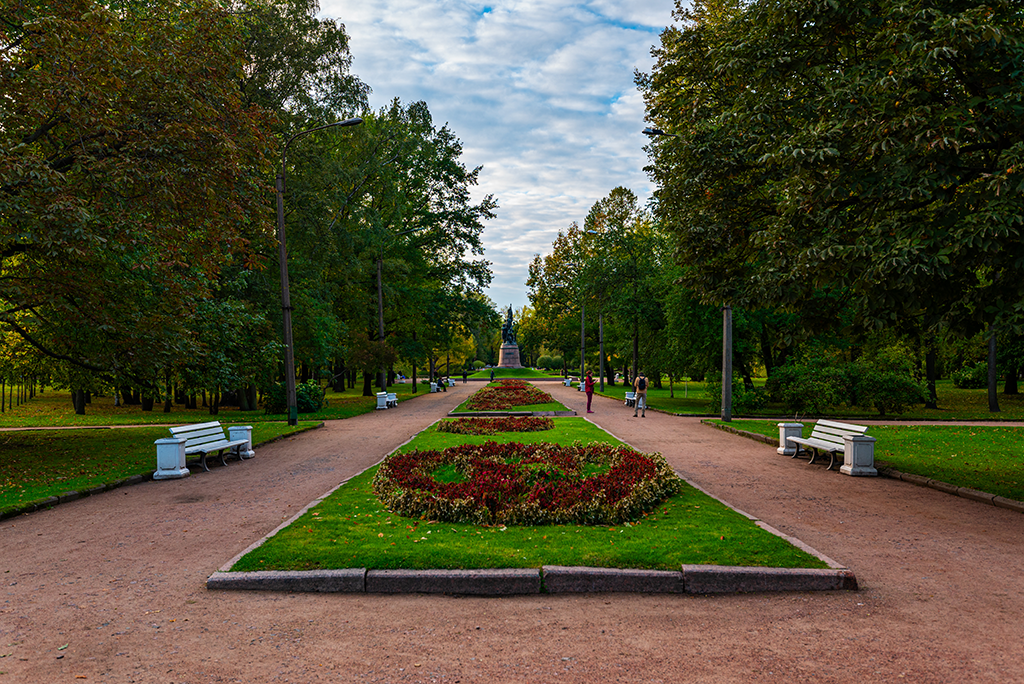
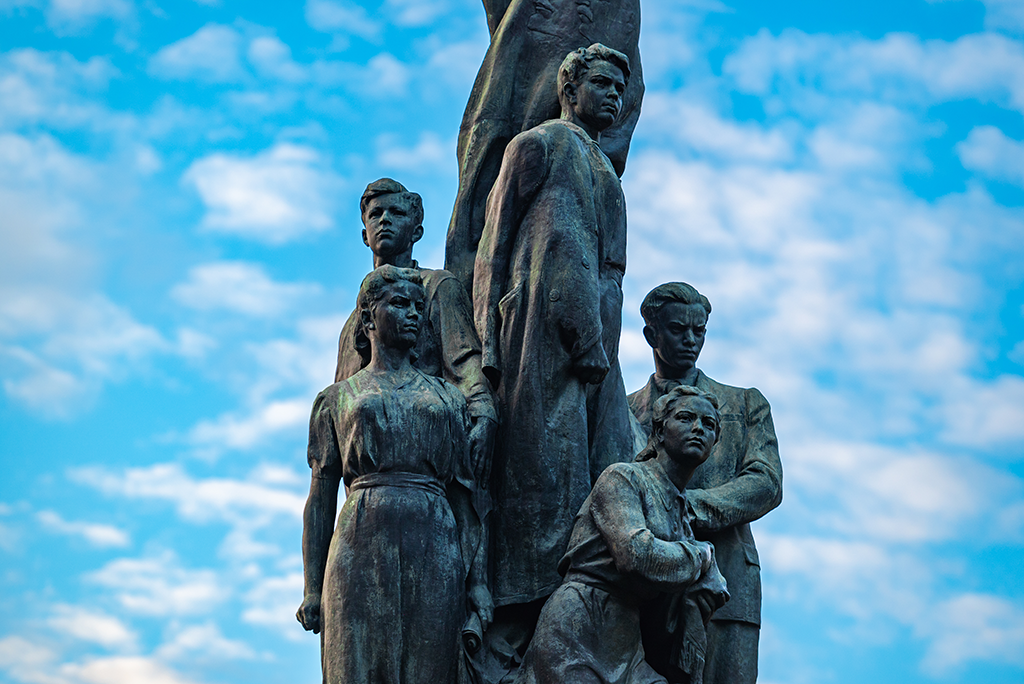
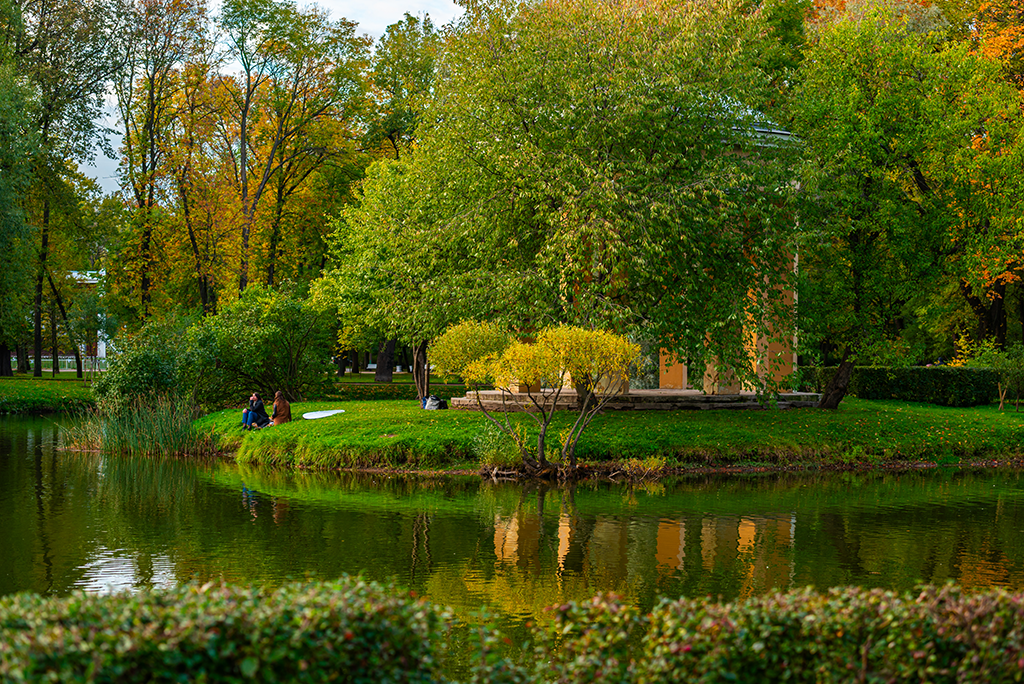


Ekaterinhof park

Liflyandskaya ul., 12
A historical landscape park in the southwest of St. Petersburg, tracing its history back to the time of Peter the Great, when the Observation Palace was built at the mouth of the Yekateringofka River
This area on the banks of the Yekateringofka (then the Black River) first entered history when, on May 7, 1703, the Guards paratroopers led by Peter I and Alexander Menshikov lay in ambush before attacking two Swedish ships. That attack turned out to be Peter's first naval victory, which he could not help but note. In the spring of 1711, he ordered the architect J. B. Le Blond to build a wooden structure near the Black River and dig a canal to it. The gardener D. Brockett was instructed to arrange a garden around the building.
The estate created here was a gift from Peter I to his wife Catherine on the occasion of their wedding. The estate was named "Ekateringof", that is, "Catherine's Court". A direct clearing led here from the Peterhof Road, meaning that one could get to Yekateringof not only by sea, but also by land.
In the summer, Catherine lived here with her daughters Anna and Elizabeth. In September 1714, she gave birth to another daughter in Yekateringof, Margarita (who died soon after). Peter I ordered separate palaces to be built for Anna and Elizabeth, and thus Annenhof and Elizavethof appeared in the park. In addition to residential buildings, Yekateringof had a farmyard, cereal and oil mills. A tapestry manufactory and a paper mill were located nearby.
Yekateringof, like St. Petersburg, suffered from floods. After one of the most destructive, in 1715, Peter I ordered Le Blond to build pools to lower the water level. Thus, two round ponds appeared near the access canal. However, they did not protect against the effects of floods. As a result, the royal family began to visit Yekateringof less and less often. The only regular visits to the estate were during the first days of May, in memory of the Tsar’s first naval victory.
